It’s that time of year when I feel like learning all I can about the glorious heritage of liberty that the U.S. Founding Fathers worked to enshrine in the documents of the Declaration of Independence and the Constitution. So I check out all these books from the library about liberty, the American Revolutionary War, and the Founding Fathers. I put them in my morning basket and get out my own books to share with my children. I also pull out the movie National Treasure because, even though it’s not true, it generates a ton of excitement about the Declaration of Independence and American history in general.
My son watched it for the second time last week. I have let my children watch it after taking the LEMI Key of Liberty class. Almost six years ago, my two kiddos who are 18 months apart took Key of Liberty together. So, after the school year was over, we watched the movie, but my daughter didn’t even want to watch it. Because she is super picky about the movies she watches, she often just sits movies out, reading books in her room. My youngest child did Key of Liberty this past year so we pulled out the movie again and this time my daughter watched it, for her first time, at age 17. Yay!!! It’s just such a fun movie. (Except the part where he drops her to save the Declaration….yeah, I take issue with that.) We all know the story isn’t true but the movie does make one wonder about the fact vs. fiction.
Four years ago I got to go on this wonderful trip that I call my personal “National Treasure” tour. I blogged a bit about it here and here. As part of a group of homeschoolers, I visited Philadelphia, Washington D.C., Mount Vernon, Colonial Williamsburg, Yorktown, and Valley Forge. It was soooo amazing!
On this trip, I discovered a few things I consider as “national treasures,” because they promote liberty and faith in God, connected to U.S. history. Here are two of them:

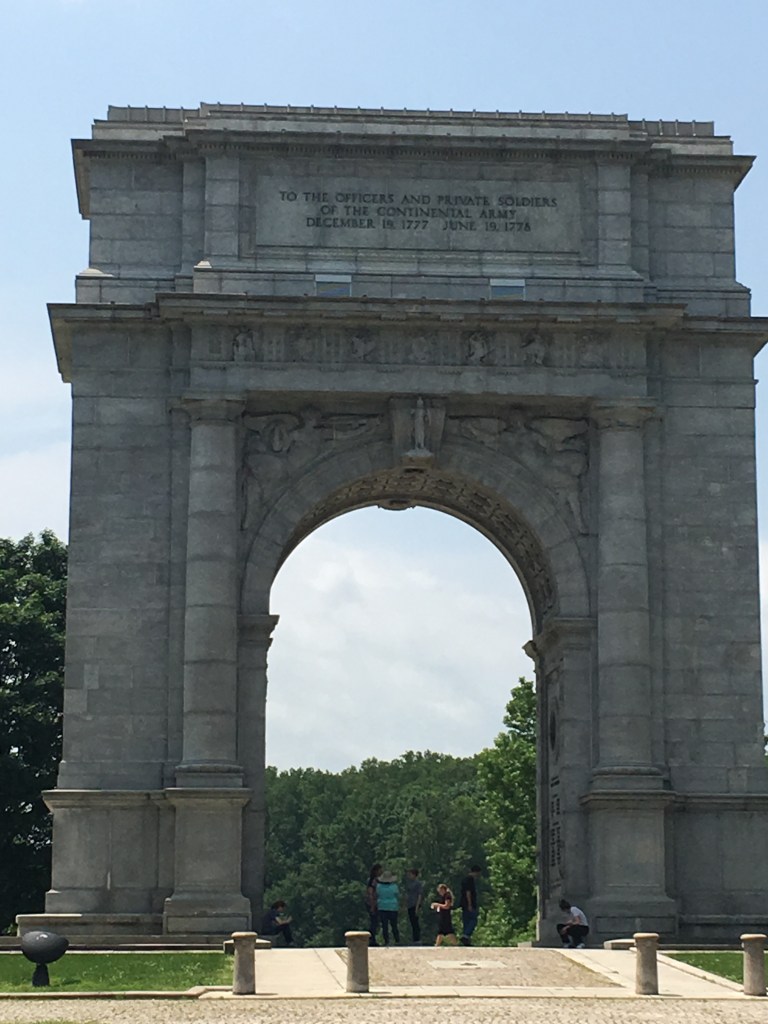
First, the National Memorial Arch in Valley Forge PA. It was built in the 1910s to commemorate George Washington’s leadership of his army, specifically, while the army stayed in Valley Forge, the winter of 1777-1778.
You can read about it here.
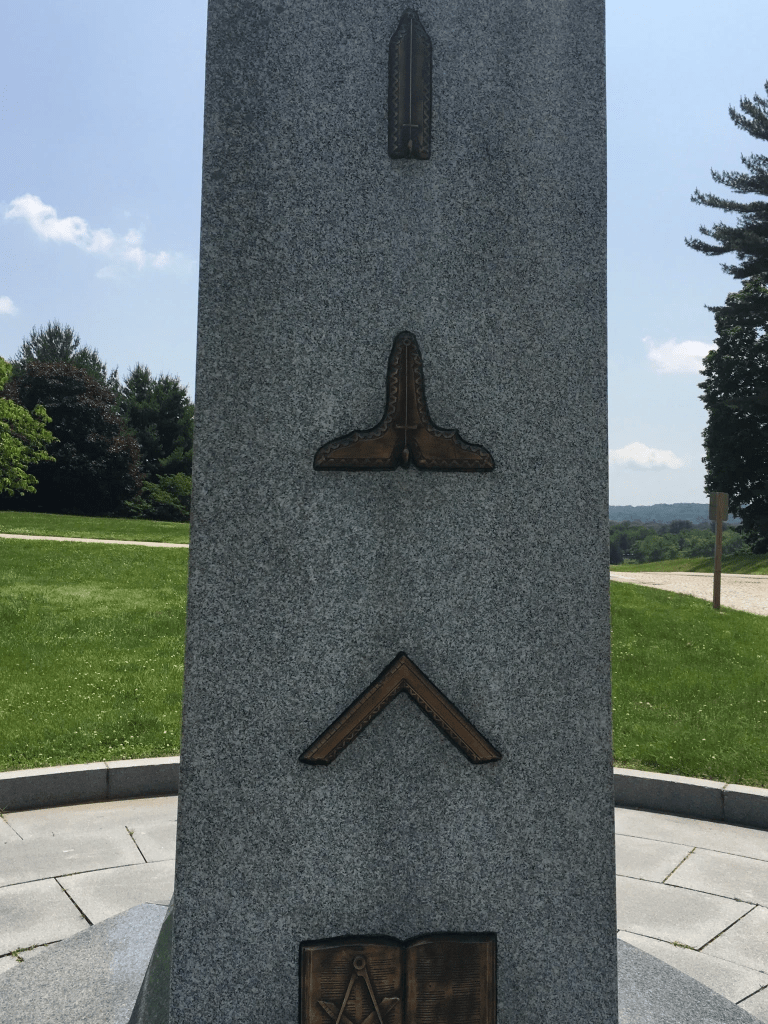
The second thing is something you will rarely see anywhere. It’s a nearby monument. A few steps away from the arch you will see a smaller structure, a monument featuring freemason symbols. It’s called The Pennsylvania Freemason’s Revolutionary War Monument.

The symbols on it include the square and the compass. I’m sorry and sad that I accidentally cut off the compass superimposed over a book at the bottom in the photo below. Anyway, what do these symbols mean and why are they there? The short answer is that they are there because George Washington was a Freemason, and Pennsylvanian Freemasons donated money and labor to refurbish the arch, $1.5 million, in 1996. They did this to honor George because they love him and his leadership so much. As it says on the page here:
“We, as Freemasons, believe our children and their children need to know that the men in 1777 cared about freedom. They need to know that Freemasons in 1996 still care about freedom.”
Edward O. Weisser, R.W. Grand Master, Grand Lodge of Free and Accepted Masons of Pennsylvania, March 15, 1996
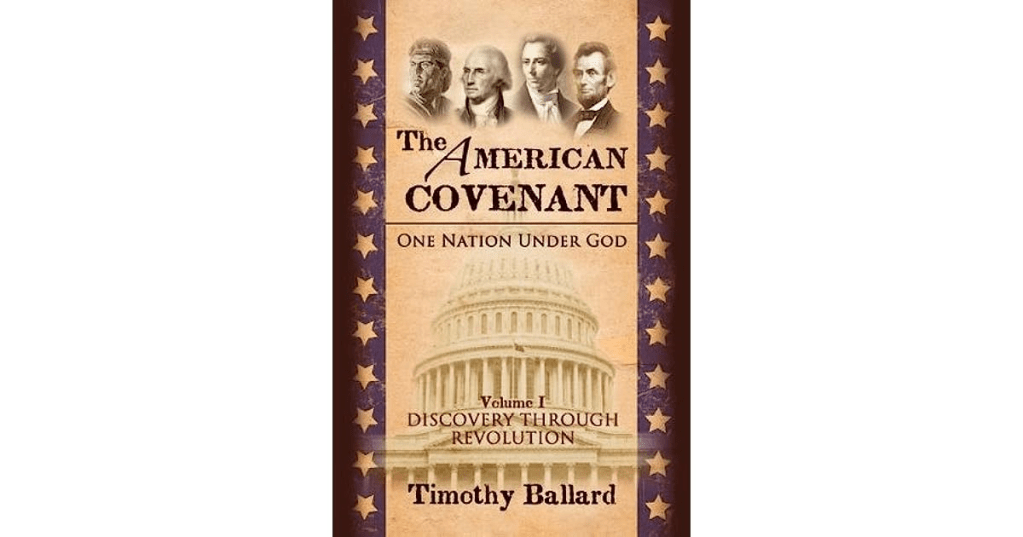
Why were some of the Founding Fathers Freemasons? What do the symbols mean? Such interesting questions! You can learn more in Tim Ballard’s book below.
Hannah Stoddard of the Joseph Smith Foundation also created the documentary, Statesmen and Symbols, a few years ago about the topic and how the symbols fit in with the founding of our nation and the founding of Washington D.C. The trailer is below, and you can buy the DVD here.
Last but not least, Hannah did an interview on the radio with a few insights about the Freemason links to early American history in the podcast below.
 Tree of Life Mothering