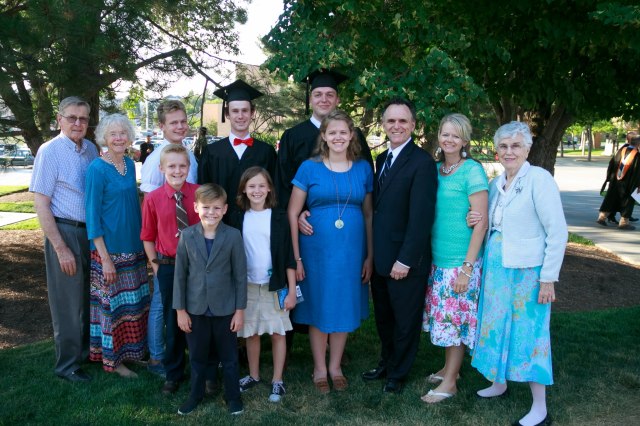
I have homeschooled all of my seven children, with supplementary education from LEMI-based schools and Williamsburg Academy. None of them ever got a diploma. The four oldest have all been accepted into college, with two of them graduating from college debt-free, one currently in college, and one awaiting a reply from the college he really wants to attend. He got accepted into college at age 16 from all the schools he applied to, but not the one he really wanted. So he’s been waiting and working. Update: I wrote that last sentence in February 2020. That son has been accepted into the university of his choice and is now a happy student there. Hooray!
Why do I want my children to graduate from college? How do I get my children into college without a diploma from an accredited high school?
Here’s why I want my children to go to college and how I did it.
- This is my basic philosophy of education, over here, “The Natural Seasons of Learning.” This was the foundation for our home-centered education, along with the scripture from Doctrine and Covenants 109:7-8:
“7 And as all have not faith, seek ye diligently and teach one another words of wisdom; yea, seek ye out of the best books words of wisdom, seek learning even by study and also by faith;
“8 Organize yourselves; prepare every needful thing, and establish a house, even a house of prayer, a house of fasting, a house of faith, a house of learning, a house of glory, a house of order, a house of God;”
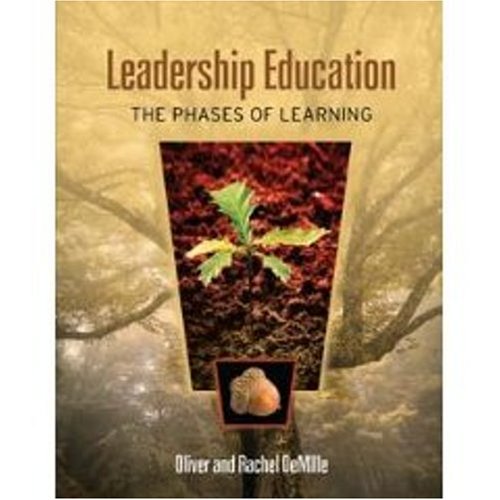
- As part of The Natural Seasons of Learning philosophy, I have relied on the principles of the Thomas Education (TJEd) philosophy to guide me. This was outlined by Oliver and Rachel DeMille to guide parents to provide a great education for their children, in whatever school environment the parents chose. It’s easier to facilitate in the homeschool setting than government school. Many homeschoolers in Utah adopted this philosophy in the 1990s and 2000s. The first book by the DeMilles was almost all theoretical, called A Thomas Jefferson Education, but their later books and CDs have much more practical guidance. I recommend you get all their books here. The one with the most practical nitty gritty/how-t0-do-it stuff is Leadership Education: The Phases of Learning, shown above. These books helped me create a sustainable homeschooling lifestyle, so I didn’t get burned out as I continued to have more babies, ultimately having a big family of 7 children in a span of almost 16 years. I loved the idea of training my children to do housework and other chores which made homeschooling sustainable, it’s part of their education as they gain life skills.
- I want my children to go to college because they are more likely to gain the knowledge and skills needed to exercise “high stakes judgements.” This allows them to be more impactful in their life, living out his or her mission from God. The book, Major Decisions, explains this. My review is here.
- I used the “Closet” outlined over here for ages 3-12. This was for our “Structured Family Learning Time” every weekday morning. It took me some time to figure this out. My older children did not benefit from the refined routine of The Closet that I came up with for the last children. When you read my blog over there you will see the details.
- I’ve used gameschooling to make homeschooling more fun, more so with the younger ones than the olders. Here’s all the stuff on my site about gameschooling including PDFs of slides and an ebook about how to build your gameschool library inexpensively.
- I used heroicyouth.org clubs for my “Love of Learners” ages 8-12, when they were available. This provided a curated weekly social and learning environment for them outside of home and church, and a different monthly book for reading aloud about great people.
- I did a TON of reading aloud for our education, entertainment, and “spoonful of sugar” background to chores. Here are a bunch of my blogs about reading aloud.
- I used LEMI Scholar Projects for my children ages 12 and up, usually as part of a weekly meet-up with other families in homeschooling co-op group/commonwealth.
- I used mathusee.com books and DVDs for math.
- I used the Scholar Contract idea outlined in the scholar phase chapter of the TJED Phases of Learning book mentioned in #2 point above.
- I limited my children’s access to screens, including smartphones and video games.
- My husband created my children’s transcripts when they applied to college. The transcript listed the LEMI projects they took, the Mathusee math courses they finished, and other classes they took.
- Most of my children took the ACE the ACT class from Ann Meeks to learn how to score a higher ACT score. My review of it is here.
- My children took the ACT, sometimes the SAT as well, and applied to college. UPDATE in 3/2025: With a great ACT score and a homemade transcript, so far 5 of my children have applied to college and 5 have been accepted, most on scholarship. One child is left in my homeschooling nest. One child did not want to go to college and has not applied. He is a hard worker, working at manual labor jobs from 7:30 AM to 4 – 7 PM every day. He shows a love of learning and wonderful initiative and stewardship. He listens to podcasts about classical works and civilizations all day while he works, so we have amazing dinner table discussions. Perhaps someday he will decide to go to college. As of now, 3 out of 5 have graduated from college with a bachelor’s degree. One will earn his master’s degree this summer. Two are currently in college.
So yes, a homeschooled child can get into college without a diploma!
They can also get into college without using spelling textbooks, grammar workbooks, or science textbooks. I don’t recommend skipping math textbooks. The best things for getting your homeschooled child into college are a library card, a community of like-minded families, parents who model a scholar phase, parents who require chores done and restrictions from screens, and Mathusee books. Go here to see more about all of that.
So that’s it! It’s simpler than many people make it out to be.
If you want to learn about getting your homeschooled child into college early, check out The Brainy Bunch book here.
If you want more about homeschooling, go here. It’s one of my favorite things to do and talk about!
 Tree of Life Mothering