
Another school year is in full swing! It’s been fun to share “Back-to-School” photos with my extended family in our family group texting chat on our phones. Even my 59-year-old big brother is back to school with his wife for linguistic training for a new job. I’ve had fun with the Back-to-School photo sharing even if I am, as the only homeschooler of the bunch, more of the type who loves to celebrate “Not-Back-to-School.” Over the years, I’ve had fun taking my homeschooled children to Not-Back-To-School parties involving waterslides and watermelon while public schoolers are inside sitting at desks, during August and/or September.

Anyway, if you homeschool like me, “back-to-school”, and “school” in general looks differently than it does for a family whose children are out the door and off to a different building for six hours a day, Monday through Friday. When I was a mom of children ages one and three, I remember my homeschooling neighbor, a mom of seven, giving me some homeschooling advice. Even when my children were that young, I considered myself a homeschooling mom. I had planned since I was 14 to homeschool my future children. At the time I received the advice, I didn’t appreciate it. Oh, how I appreciate it now! She said the best thing you can have as a homeschooler is a library card.

Actually, maybe she said, “The only thing you need to homeschool is a library card.” The details are fuzzy as this was almost 30 years ago. At the time I thought the following (of course I didn’t say this to her, I just politely nodded and smiled): “Okay, that’s how it works for you, but I’ll be different. You’re just telling me this because you are a cheap frugal mom of a million kids who can’t afford to buy all the stuff you want to buy for your kids. When I’m officially homeschooling, I won’t rely on the library. I’ll be able to buy everything I want so I can access it whenever I want!”
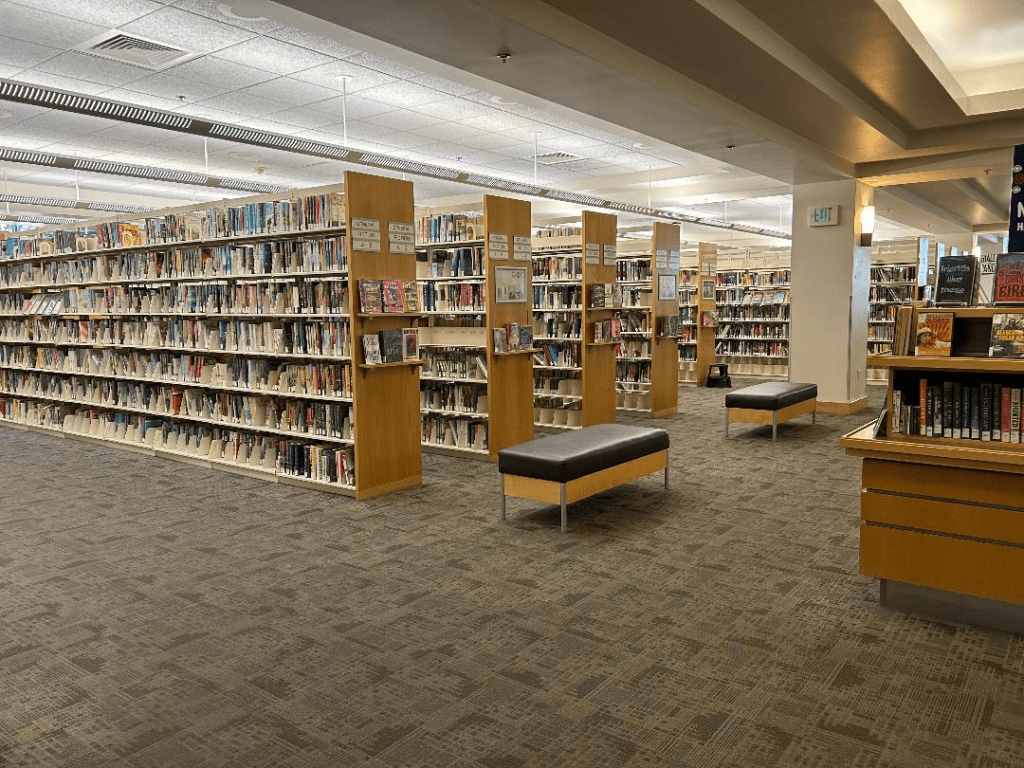
Oh the hubris/pride of my young motherhood! Little did I know how foolish that attitude is. Little did I know I would someday be a cheap frugal mom of a million kids myself, LOL. Since then, I have learned the following lessons:
First of all, I don’t have the space to store all the things I have ever wanted as a homeschooling mom.
Second of all, I don’t have the money to buy everything I want or have ever wanted.
Third of all, it’s not wise to do that anyway as some things prove not to work out for my family.

So yes, I have seen the wisdom of her words. She was mostly right! Mostly right if her words were, “The only thing you need to homeschool is a library card.” But if she said, “The best thing you need for homeschooling is a library card,” then she was 100% right!

I add the condition/qualification of “best” because of what I’ve learned after my 30 plus years of homeschooling. I’ve learned if your goal is to get your children into college, as a scholarly saint with a stewardship mindset, especially if you want them to get there on a scholarship, then all you NEED is a library card, plus a math curriculum. You may want more, but that’s all you truly NEED.
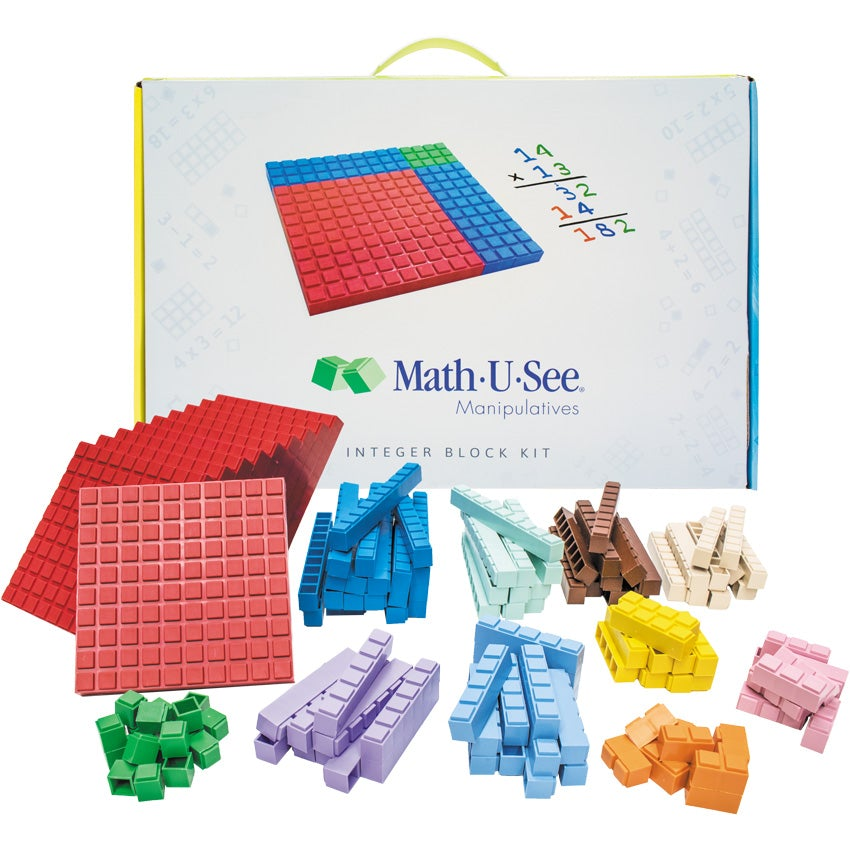
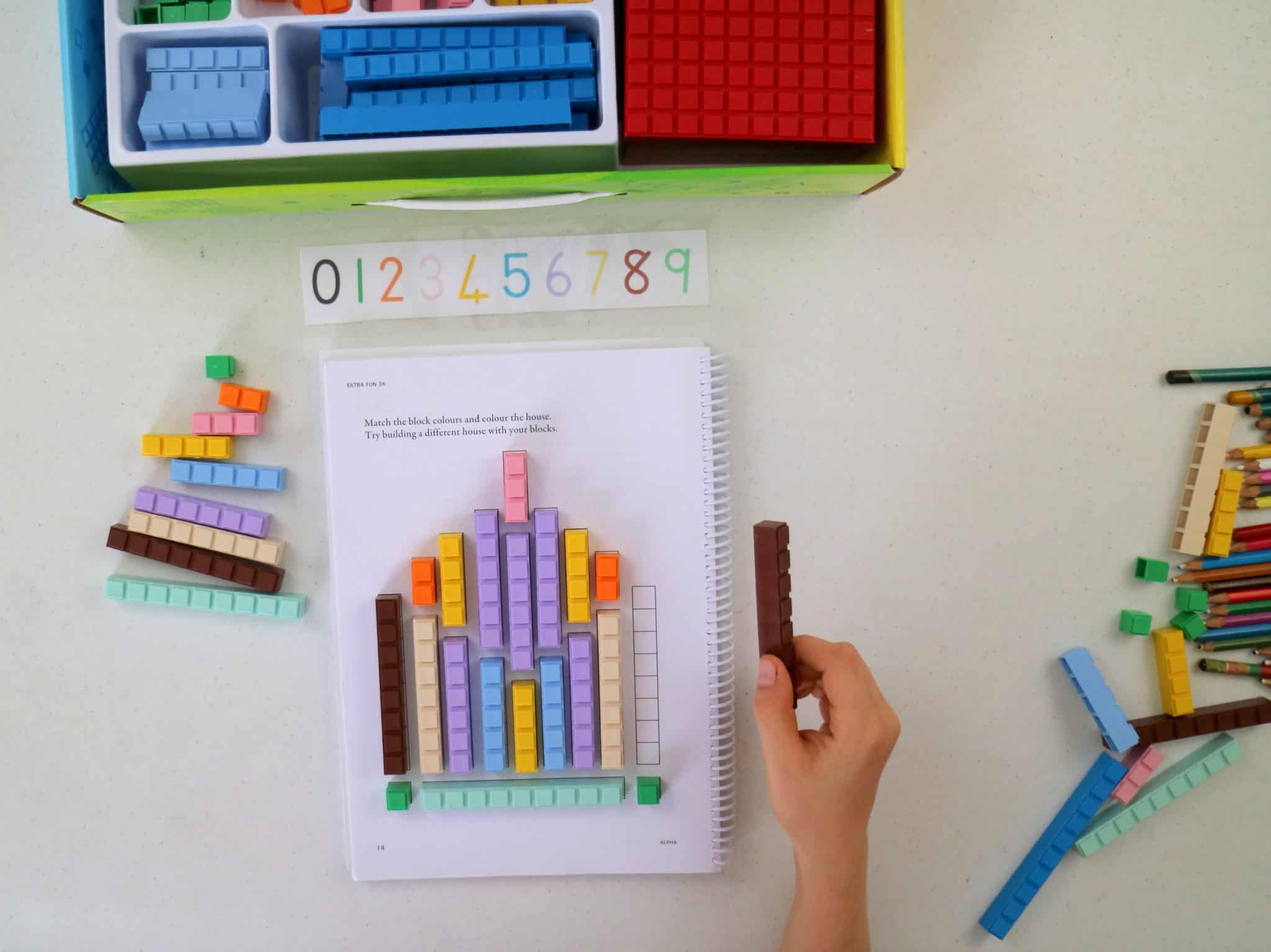
Looking back, if I absolutely had to buy only one thing for our homeschool, because of dire poverty, to add to all the resources I can get from the public library, it would be the Mathusee curriculum. That’s the only curriculum I have bought and stuck with after all my years of homeschooling. I used it with my oldest who is 31, starting when he was 5, and I am still using it with my youngest, who is 15. It has proven itself for our family. (My only complaint is I wish it had more space on the pages in the student workbook to work out the problems.) My children have learned math well using the Mathusee curriculum to prepare for college. My oldest three children have graduated from college. Numbers four and six are currently in college. Number five doesn’t want to go to college, and number seven is the only one left who is in my homeschool (sob! I’m going to miss it when he’s done). I love Mathusee because it is so visual. I’m not just talking using integer blocks to show how addition and subtraction work. I’m talking about being able to see visually what’s going on with multiplication, division, negative numbers, even algebra. An example of that for pre-algebra is here.
It’s created by a math genius, Steven Demme. Charlotte Mason said to find teachers for your children who love the subject and can pass that love on to the students. You can tell when you watch Mr. Demme teach these lessons he loves math, he’s a genius at it, and he’s a genius at how to teach it. Math makes so much sense when he teaches. All the lessons for the books go with DVDs of him teaching the lessons. Unfortunately, you can’t check out Mathusee books from the library. Maybe eventually you could get the DVDs and teaching manuals, but the compatible student workbooks are consumable so not check-out-able.

Coincidentally, in the past few weeks, as I’ve been working on this blog post, I saw that Marcie Holladay, from singlemomonafarm.com, has shared a YouTube video about homeschooling for free, which for her, and for me, involves using the library for homeschooling. The above and below photo are screenshots from her YouTube Channel. I’ve noticed from reading her blog she loves to have reading parties for her children. She says the big tip for doing that is to go to the library with your children, and not have anything planned afterwards. Then when you come home you spread out the books and let them feast on all the fun new, FREE choices. A reading party! Yay! What a great way to inculcate a love of books in your home.

Even more coincidentally, she also talks in the video about how she has used Mathusee for her children’s math, like I do. Interestingly enough, she says she has stretched her use of the Mathusee books by having her children do one or two pages for each lesson, instead of the 12 (two pages per exercise, six exercises per lesson), so she can pass the book down to the next child. For me, what I’ve always done, is to tell my children if they can get 100% on four pages in a row, they can skip the rest of the lesson and go to the test, then move on to the next lesson (if the score is at least 80% on the test).

So, if I had to buy only one thing, Mathusee is what I would buy. I could rely on a library card for everything else, IF I had to. Notice I said “if.” That’s a big if. I’m glad I don’t have to, but I could if I had to. Once upon a time many years ago with five children twelve and under, when I was pregnant with number six, I felt too poor to even buy Mathusee books for the coming year, so we did this online charter school. I won’t name it, but I did it so I could get all my curriculum shipped to me for free. We didn’t enjoy it very much and I was glad to quit after one year. I have been blessed to buy Mathusee books ever since then, so many years’ worth for seven children that I have the whole K-12 curriculum, except for trigonometry and calculus. (Knowledge of calculus isn’t needed to do well on college prep tests, and basic trig questions can be studied online for those tests.) My married daughter even asked for me to pass down the set to her.
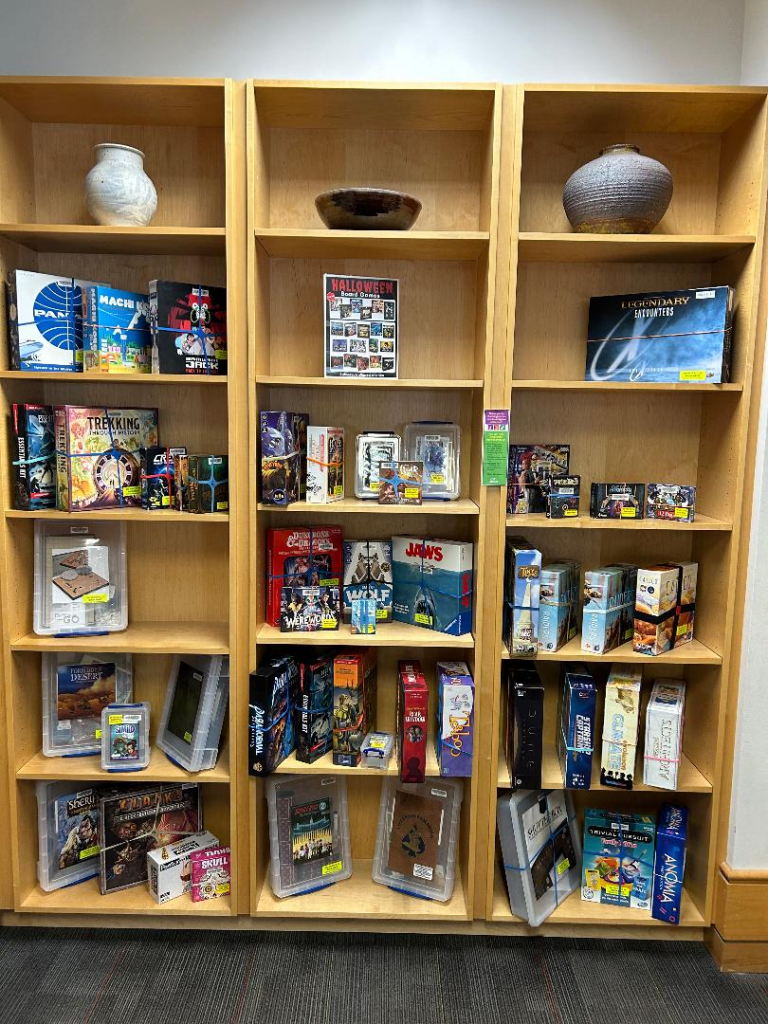
Thank goodness I haven’t had to just rely on the public library for all of my other resources. Even so, for all my years of mothering/homeschooling I have loved going to the public library at least once a week to access books and other resources, such as games, CDs, and DVDs, to make homeschooling, and SAHM life in general more enjoyable.

In those early years of mothering, it was the library, plus my church meetings, plus La Leche League meetings and my Veggie Gals girlfriend dinner parties that kept me sane. My husband traveled a lot for business (three to six days a week) so I was often the only adult at home 24/7, who had to do all the childcare and housework, day and night. It’s not that I didn’t enjoy mothering, but I needed some recognition, validation, adult interaction, and breaks, which I gleaned in some way or other from the aforementioned resources. I would put the three oldest kiddos to bed and then do the dishes without interruption while listening to cassette tapes I checked out from the library of speeches and presentations (Yes, I’m old. Now I use podcasts, YouTube, and audiobooks). I’m just sooooo grateful for the resources at the library. They are like old friends who have always been there through sunshine and rain. Eventually I learned to train the children to do the dishes, and they would either listen to me read aloud books or audiobooks, checked out from the library.
In short, you can’t homeschool effectively with JUST a library card, if you want your children to go to college, because they need a solid foundation in math, from a solid math curriculum you can’t check out from the library. If you want your children to get into college then you could homeschool with a library card and I would say, Internet access, to access free math courses online. So you’d be paying for the Internet, but it might be a bit cumbersome for when you don’t have Internet. I guess there are some moms out there who would be okay with just using a library card and no math curriculum, online or otherwise, and make up their own math worksheets based on their own knowledge or math books they find for free, but that takes way too much time and energy. I like having “open and go” curriculum for math. These same homeschoolers might be the same ones who think you can learn enough math for life just by reading and cooking, doing fractions, which is not true. (Another post for another day.)
So to sum it up, you can homeschool effectively for college prep with just a library card and a math curriculum. Other curriculum is not needed. This makes homeschooling so simple!
Do you understand the implication of what I just said?!
It means the following:
You don’t need spelling textbooks, science textbooks, literature textbooks, or history textbooks to homeschool.
Our homeschooling, in all the years I’ve done it, has involved (off and on, as I haven’t been perfectly consistent but this is the general pattern I followed):
– a morning devotional with prayer and scripture reading
-some form of “Morning Basket” time (which used to involving singing and/or poetry recitation) This is where I share what is good, beautiful, and true, beyond the scriptures that we study earlier in the morning.
-the Closet (which I talk about over here) for ages twelve and under
-LOTS of reading aloud of classic books, and weekly co-op classes, especially for when they are twelve and older.
On top of ALL that, I also had them all help with household chores from the age of two. By the time my oldest was thirteen, he was doing the family’s laundry, the younger kids did the dishes and bathroom cleaning, and I did the cooking. Then eventually I divided up the cooking so I got to retire from that for a time. I read aloud for Morning Basket, I read aloud when they played with stuff from The Closet, I read aloud when they did the dishes, once they were old enough to do it without me being next to their side, I read to them in the car on long car rides, I read to them at bedtime, and we listened to a LOT of audiobooks, especially for road trips.

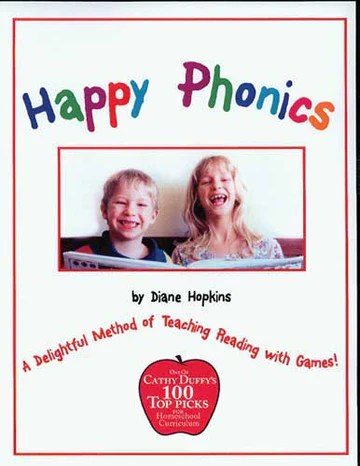
I did buy two resources to teach my children how to read: Reading Reflex and Diane Hopkins’ Happy Phonics Kit. (Buy that here). I tried Teach Your Child to Read With 100 Easy Lessons but returned it to the library. It didn’t work for us because my daughter could not pronounce one of the sounds used in the first lessons. I’ve heard it works for lots of people though. This is where I’m so glad I could borrow something from the library to try it out first. I could probably have borrowed Reading Reflex from the library as well.

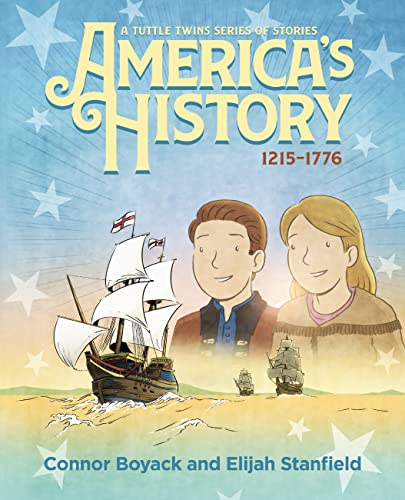
I did buy a spelling curriculum once when the oldest was 8 maybe but then I gave it away because it wasn’t working for us, after two lessons. So I am here to emphasize you don’t need a spelling or literature arts curriculum to homeschool, nor one for science! I did have a simple spelling dictionary with common words they could refer to when writing. I also once bought an Apologia science textbook that my older kids read some on their own. I also have bought the Universal Model science books and workbooks to go with them but I haven’t consistently used them in my homeschool, which goes to show my children didn’t need to use them to get into college. Oh, and I have bought the two Tuttle Twins history “textbooks,” Vol. 1 and Vol. 2. We have used those, and I love them. They are more storybooks, not textbooks, which I love. I’m looking forward to seeing all of American history explained by the Tuttle Twins with more volumes to come out.
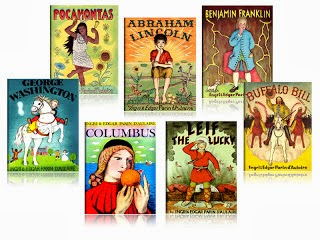
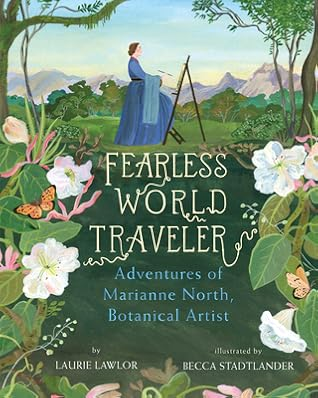
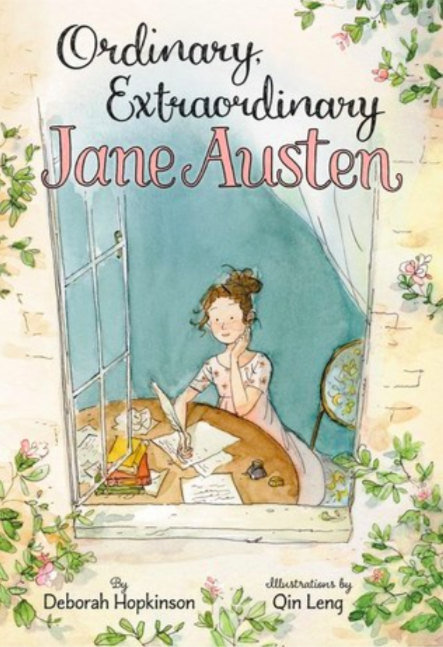
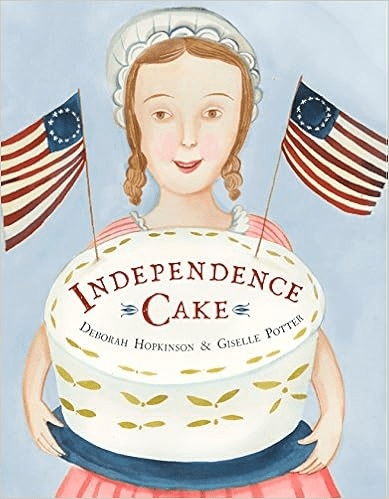
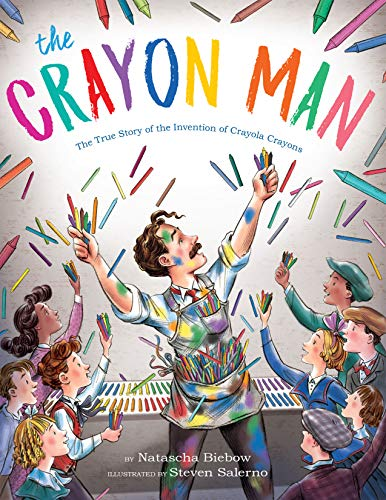
My favorite way to teach history to children, really to anyone, is to read aloud picture book biographies together. That’s because they teach history with a story and pictures. It’s really hard to latch onto history without an engaging story to put dates and names into context. That’s what picture book biographies do. You can learn so much from these, and the library has a lot! Just go to the 920s in the juvenile nonfiction section for picture book biographies, at least at my library. I love these so much I’ll share lots of images of them below, interspersed among my tips about library services that completes this post. (I have some recommendations here and here on my blog.) This is how I started teaching history to my oldest back in fall of 1998, when I bought the set of D’Aulaire picture books biographies shown above, from Beautiful Feet Books. Those books and Mathusee were the first things I bought, along with the Charlotte Mason Companion book by Karen Andreola. You can probably find those, and all the picture book biographies shown below at your local public library.
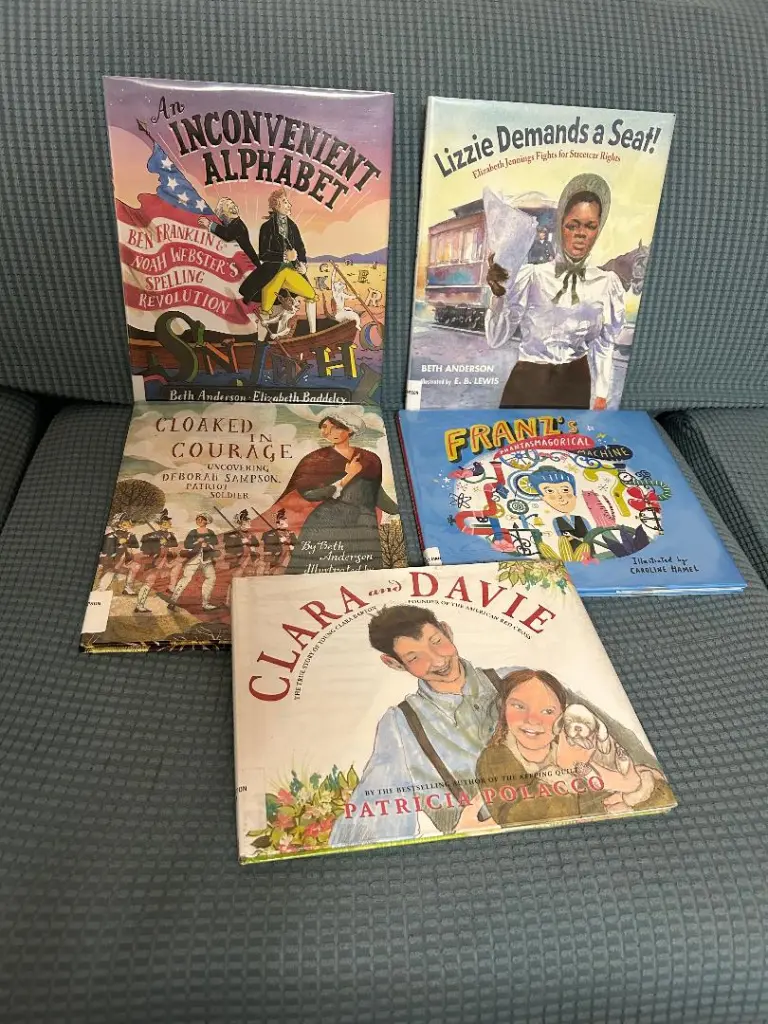

Oh how I digress. What was I talking about? Oh yes, homeschooling for free with just a library card. That leads me to into my next main point, which is, library services are a HUGE help for the homeschooling mama. Without further ado, here are the things my local public library offers that make life as a homeschooling mom so easy, so that you can MOSTLY homeschool with just a library card. If your public library doesn’t offer these services, please ask the library to do so. These things are so helpful!
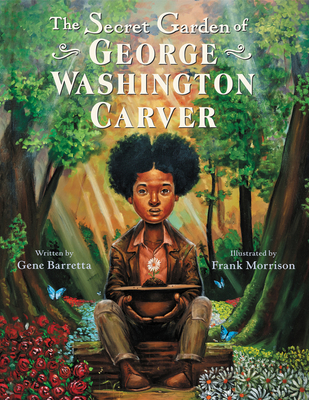
- Mini library card to put on your keychain. You might forget your wallet with your library card (which I’ve done) but you will never forget your keys, if you are driving. If your mini-card (a duplicate of the big library card) is attached to your keychain then you will never forget it, unless you walk to the library.
2. Ability to reserve books online. This is called putting books “on hold.” This wasn’t available for me back in my pre-smartphone caveman mothering days. I remember dragging my four young tots, ages four, two, and zero, with the zero year old in my baby-sling, to find books I wanted at the public library. It gave me such the dopamine hit/thrill of finding the books I wanted. I so enjoyed that, just as if I was on a safari, but it did take a lot of time. I save so much time just looking for the books online and clicking the button to reserve the book. Then I pick them up when I get the notification they are ready.

3. Ability to pick up the hold/reserved books without asking for them at the circulation desk. It wasn’t until I moved from Utah to Arizona I was finally able to do this. At all the former libraries in Utah I had to ask at the desk for them, after reserving them online. Now I’m back in Utah, and I can just go to the library shelves set apart for the “holds,” find the section for my last name, and pull out my books that are ready to pick up.
4. Self check-out. If you have a screaming baby in your arms it would be better to go to the circulation desk for their help while you wrestle with the baby. If not, it’s usually faster to just check them out at the self check-out.

5. Ability to request books for the library to purchase. If you can’t find a book you want, you can ask the library to buy it. Ask your librarian how to do this. It takes about a month for this to be processed, at least the last time I did this years ago, so if you need the book right away, interlibrary loan is the better way to go. See below.
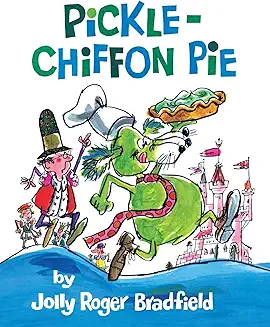
6. Ability to request books from other libraries. This is called “interlibrary loan” or ILL. It’s not promoted but your library probably does this already without you knowing. This is what you can do if you can’t find the book you want at your own local public library, and don’t want to wait for them to decide about buying it for the library’s own collection. After you put in the request, the library staff sends out a request to other libraries in the whole country for that book. The majority of the time another library has had the book I want this way. Some libraries charge a small fee for this ($1-$2). Other libraries offer the service for free. Not all books can be found this way but most can be. I found the above book, Pickle Chiffon Pie, in the Chinaberry book catalog (now defunct) decades ago, and my library didn’t have it. So I asked for it through ILL, got it, and thoroughly enjoyed it. The best picture book about the power of pure love I’ve ever read!
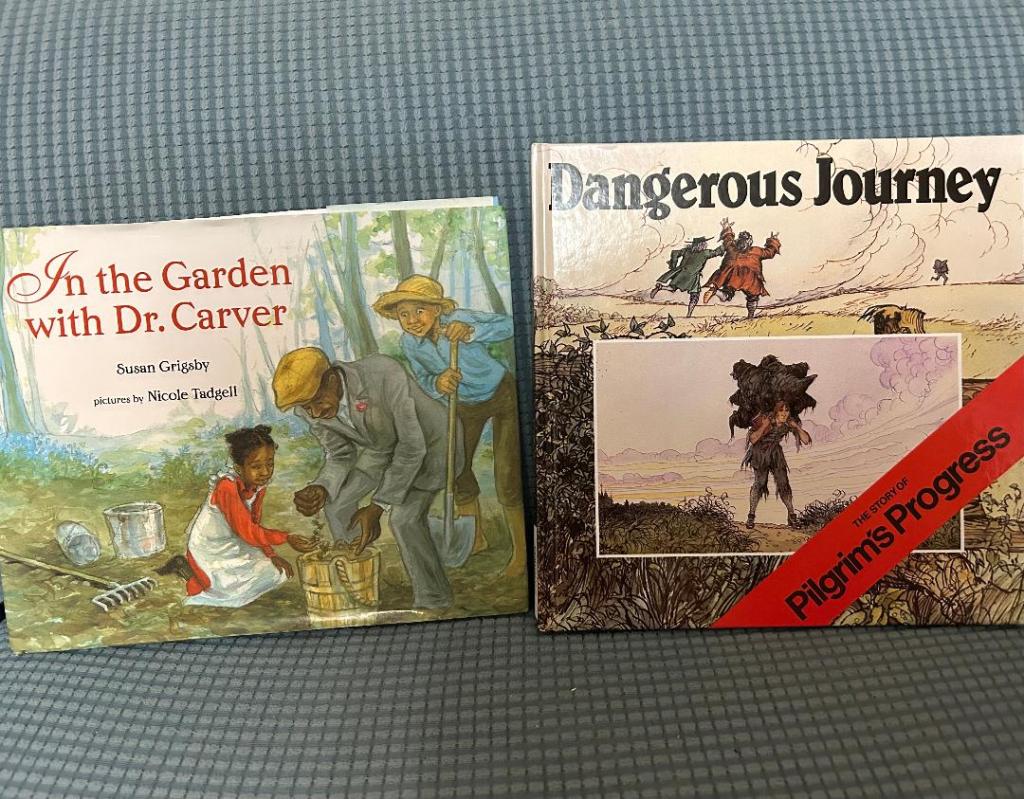
7. Host used books sales. This scratches both my thrift-loving self and my bibliophile self. At my library, this happens every quarter, and the books are one dollar, and audiobooks and lectures on CDs and DVDs are only ten cents! My library also has a permanent section in the library for on ongoing sale. I just got the books above on sale from it, one from the seasonal book sale, and one from the permanent book sale. I don’t know the rhyme or reason for what books go on for which sale, I just enjoy what I can find.
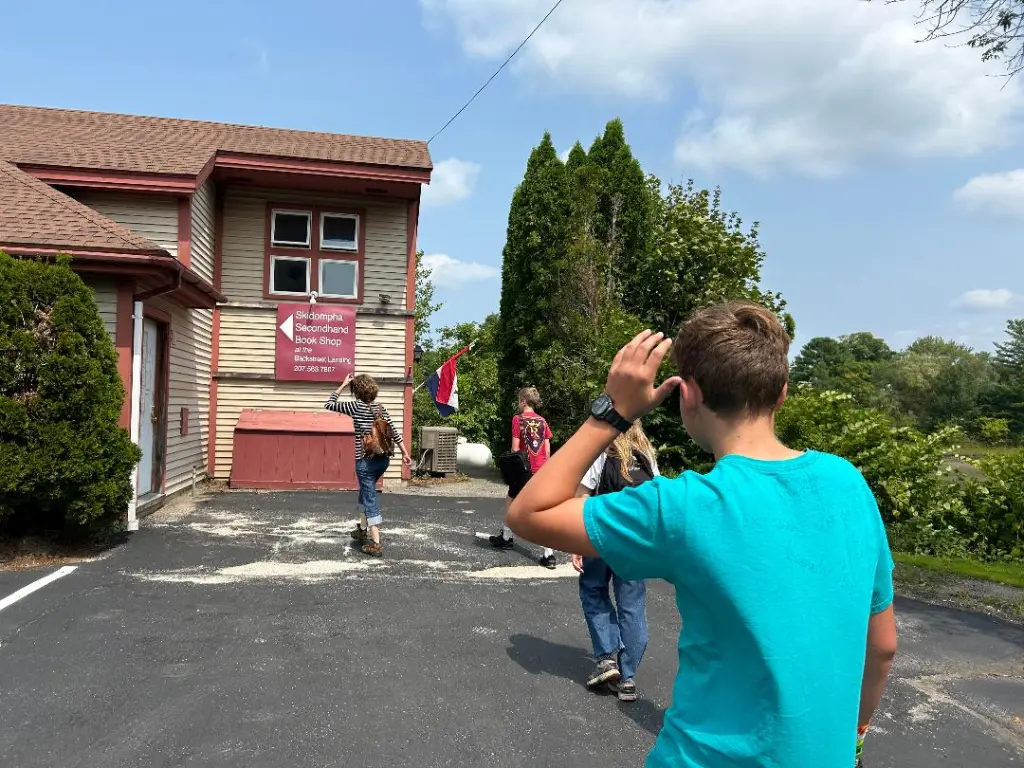
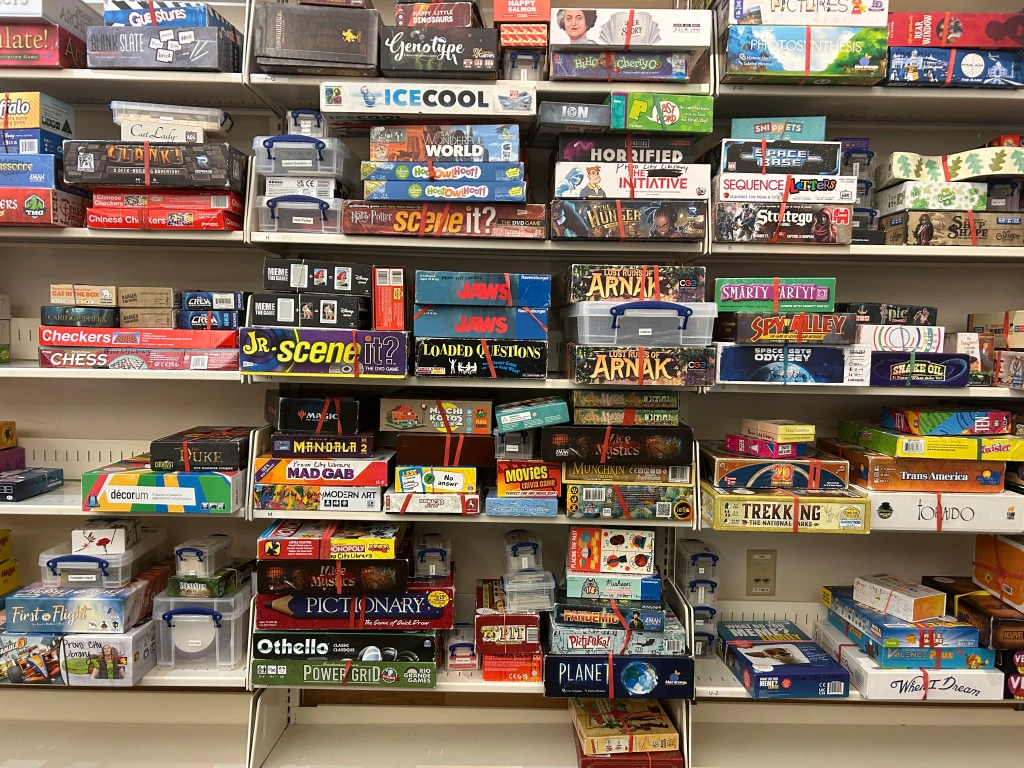
8. Have more than just books. This means offering board games, CDs, DVDs, book club kits, and activity boxes based on a theme, like astronomy or origami. As an avid board gamer, I love being able to check out board games, from not just one, but two libraries. Many of the board games I review for this site are games I borrow from these two libraries. I watch YouTube video reviews of board games, and then see if my library has the game, and if it does, I check it out. If it doesn’t I ask the library to buy the game. Eighty percent of the time the library buys the game.
9. Have curbside pickup. This is a boon if you are sick and don’t want to go into the library. I wish had had it when I had lots of littles at home. Ask your librarian about this. I’ve only used it once, when I was sick, but if it had been around when I was a young mom I probably would have taken advantage of it a lot!

10. Host programs and events. I’m not talking about story time. That never worked for us. Maybe because my kiddos knew they could get whatever story they wanted at home with me reading it to them? They always wanted to wander around and pick out books instead. I’m talking about events like meet-and-greets with authors (I got to hear Shannon Hale in person this way!), craft nights, trivia nights, open mic nights, D&D nights, etc.) If your library isn’t big enough to have the money to have big authors come in person, the staffers could probably swing a Zoom meeting with one. During the plandemic my library had some fun Zoom meetings like a class on how to use an InstaPot, and Zoom visits with authors.

11. Sturdy baskets for patrons to check out and haul the library stash of books home. This has been very handy for me. As a young mom, I finally figured out to keep all the library books together in a box in the corner of the living room, and not let them get scattered over the home. It’s not aesthetically pleasing to do this, and neither is a big plastic basket, but I’m okay with that. Life would have been easier back then if my library had had those big plastic baskets for storage and transportation back and forth.

12. No book limit. My library does this and I love it! Between the four of us at home who currently use the library, we always have around 100 books checked out.
13. No library fines. My library does not do this (yet) but I hear it’s becoming a thing across the USA. A girl can always dream! My library in Arizona had a grace period once a year around New Year’s when we could ask for our fines to be forgiven, and have them wiped away, which you can bet I took advantage of. Despite my best intentions, I still accumulate overdue fines, which I consider my reasonable service fee of using the library with its tremendous resources.
14. A mobile app for the library. This allows me to quickly browse the library’s catalog to place holds, check for overdue books, renew books, and see upcoming events, all on my phone.

15. Delivery of books. This takes curbside pickup several steps further literally, with the library bringing your books to you. I haven’t tried it out yet but it sounds perfect for homebound mamas.

Whew! Did I cover everything? If there’s something more your library offers I didn’t list, please share below!
It just makes me so happy that when my older daughter went on her honeymoon, one of the places she took her groom was to the public library of her childhood when she was under eight years old. She has so many great memories of that place she was excited to share it with him. I love it when my children catch my love of learning, books, and libraries!
 Tree of Life Mothering